Curiosity can take many forms, from experimenting at home to building a better study routine. These ten gift ideas span different ages and interests, with options for learners who like to read, make, organize, explore, or play.
When choosing, consider what kind of learning the recipient enjoys and where they will use the gift. A practical notebook or desk organizer can support ongoing projects, while a hands-on activity can turn a shared afternoon into an opportunity to discover something new.
10 Gift Ideas for People Who Love Learning
Rich Dad CASHFLOW Educational Finance Board Game
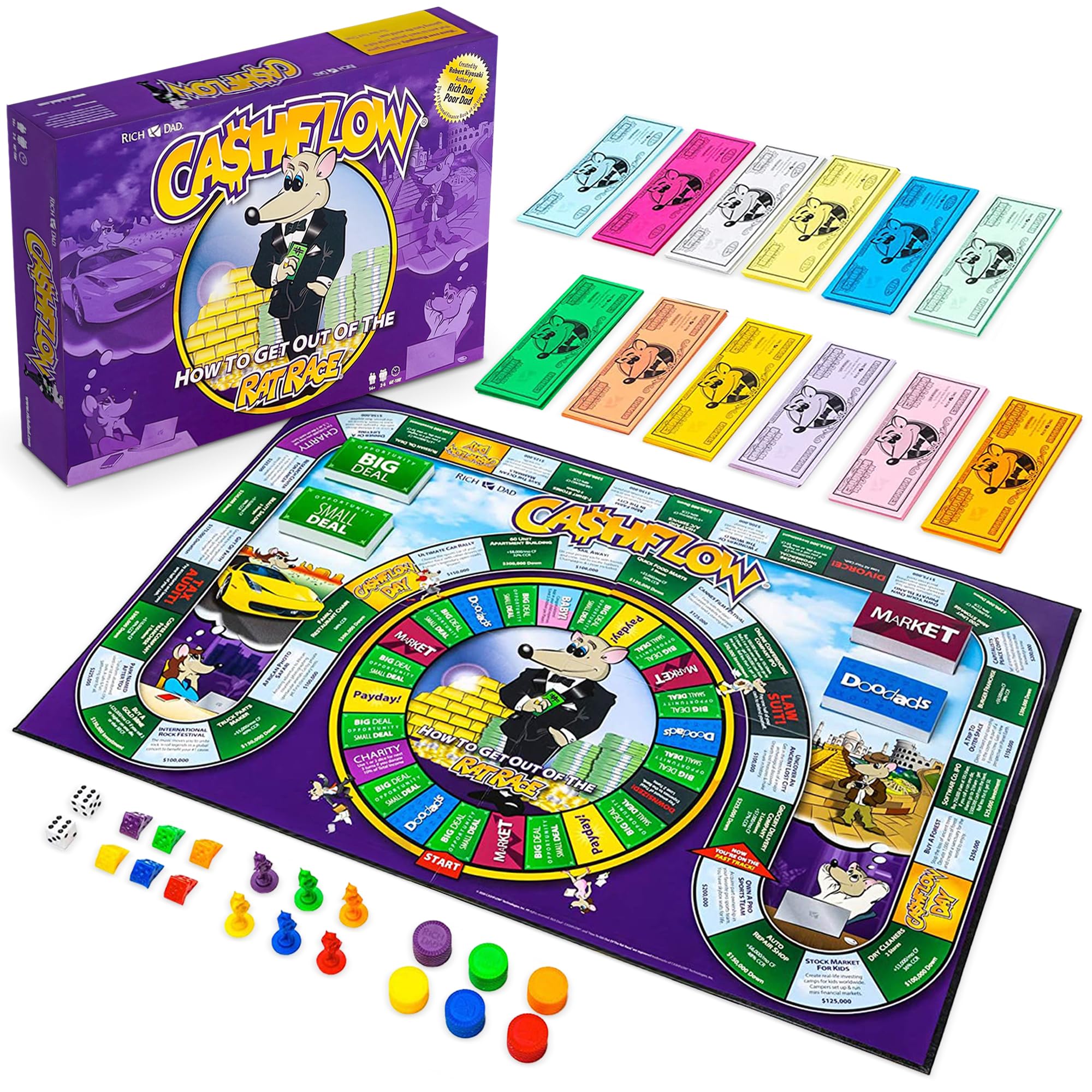
- Explores stocks, saving, and money through a board-game format.
- Supports collaborative family play around investing and business topics.
- Designed for ages 14 and up.
Best Gift For: Families and older teens who enjoy learning about investing through a shared game.

Glocusent LED Neck Reading Light
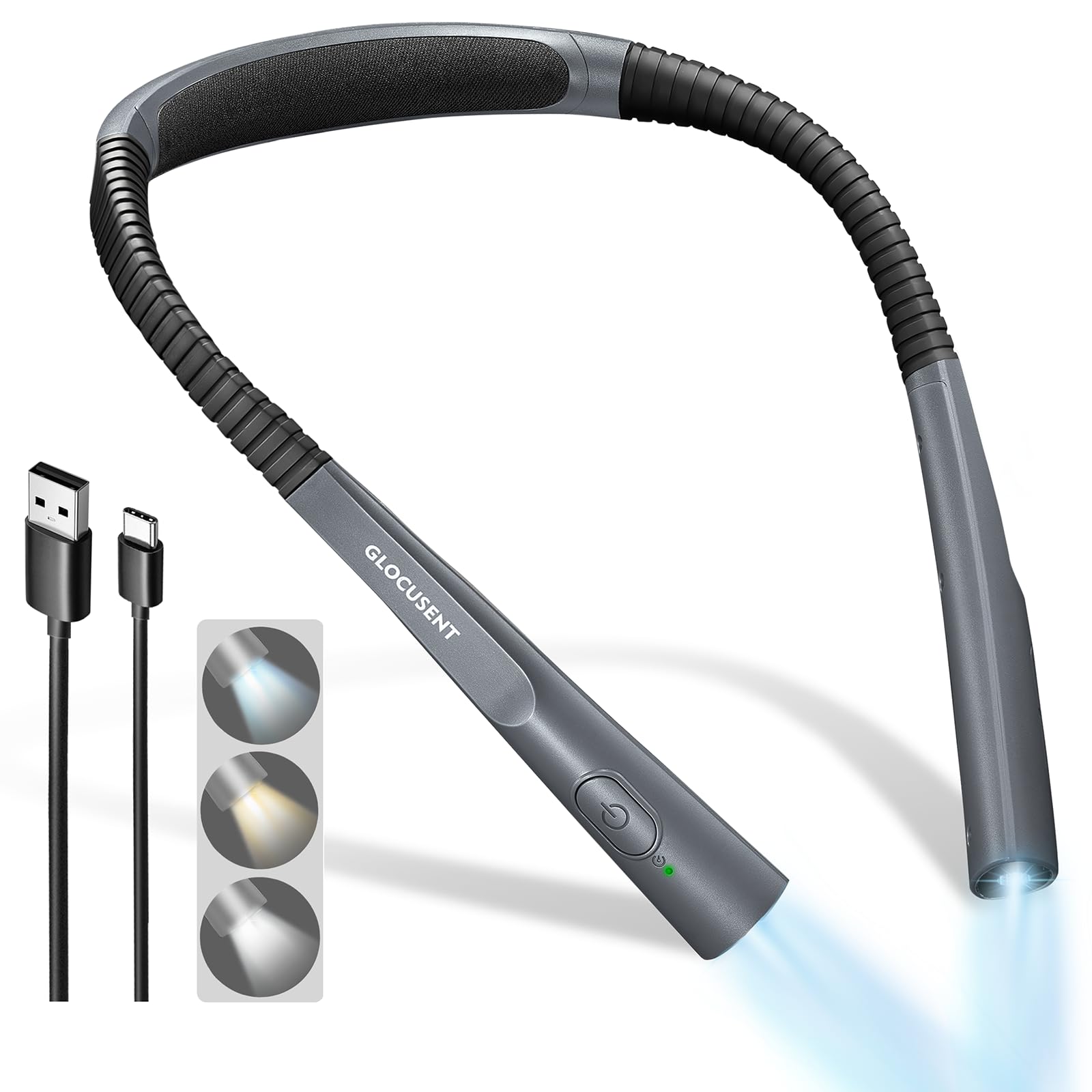
- A 30-minute timer can switch the light off automatically.
- Choose among three color temperatures and three dimmable brightness levels.
- A narrow beam helps keep light focused on the page.
Best Gift For: Readers who like to read in bed or during a quiet evening at home.
TOMLOV DM9B 7-Inch Digital Microscope, 1200X
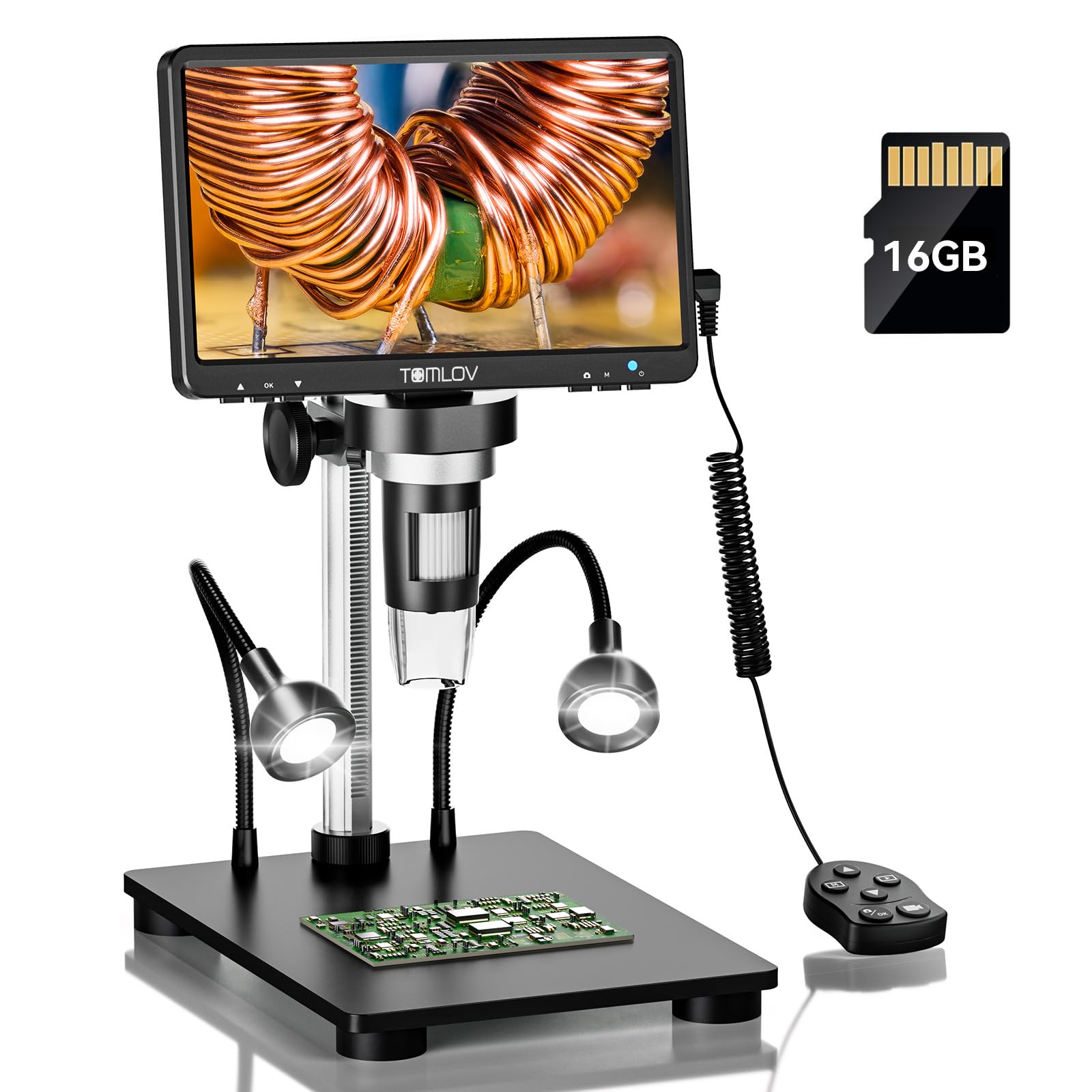
- The screen rotates to improve viewing ergonomics.
- View coin, stamp, and rock details, or use it for micro soldering.
- A Micro SD card is included for storing photos and videos.
Best Gift For: Adult collectors, students, or families interested in exploring tiny details together.
Light-Up Crystal Growing Kit for Kids
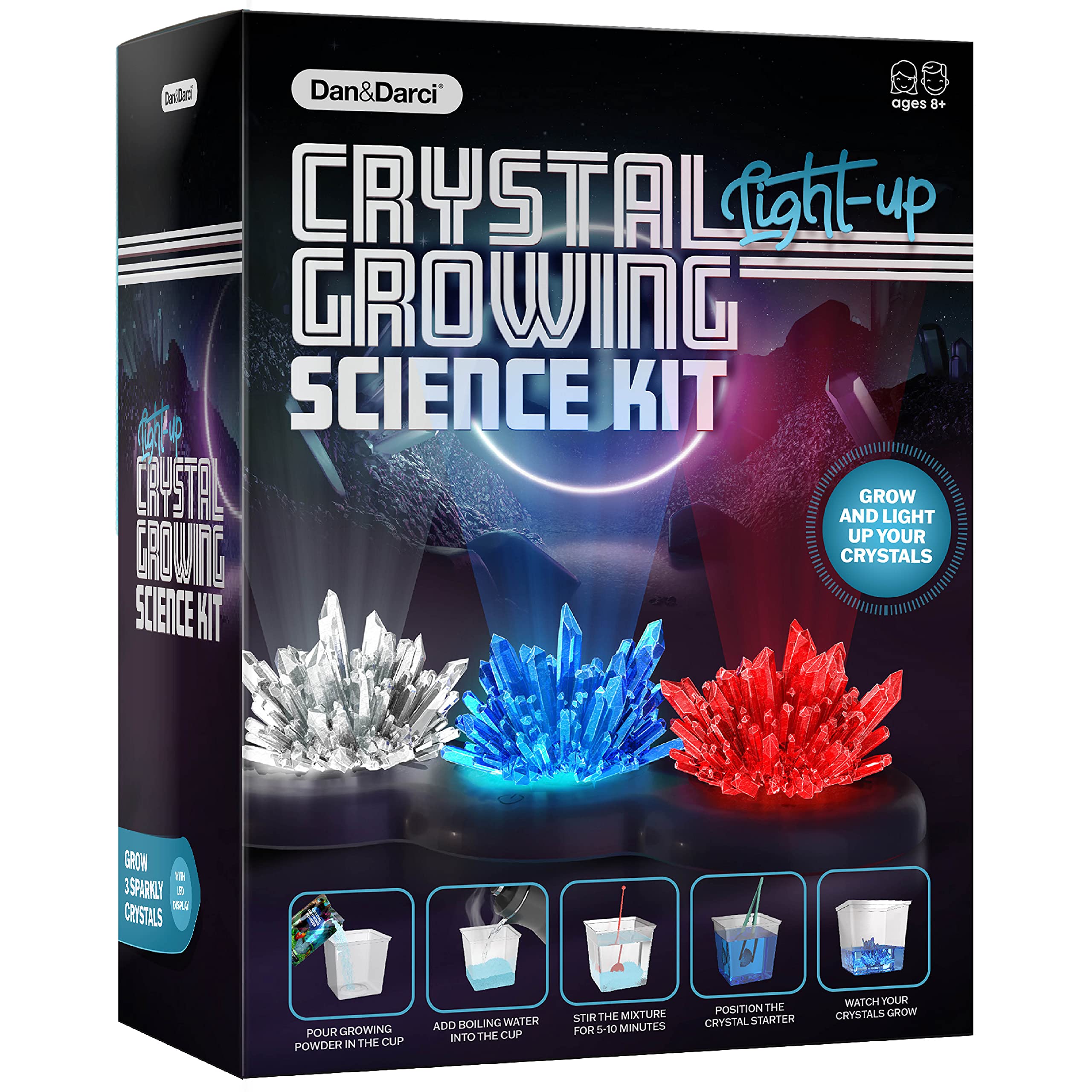
- The kit includes red, blue, and clear crystal powders.
- An illustrated guide explains how crystals are formed.
- The finished crystals can be displayed on an LED-lit base.
Best Gift For: Children interested in science who can follow a guided, hands-on activity with an adult.
Learning Resources 1-2-3 Build It Robot Factory
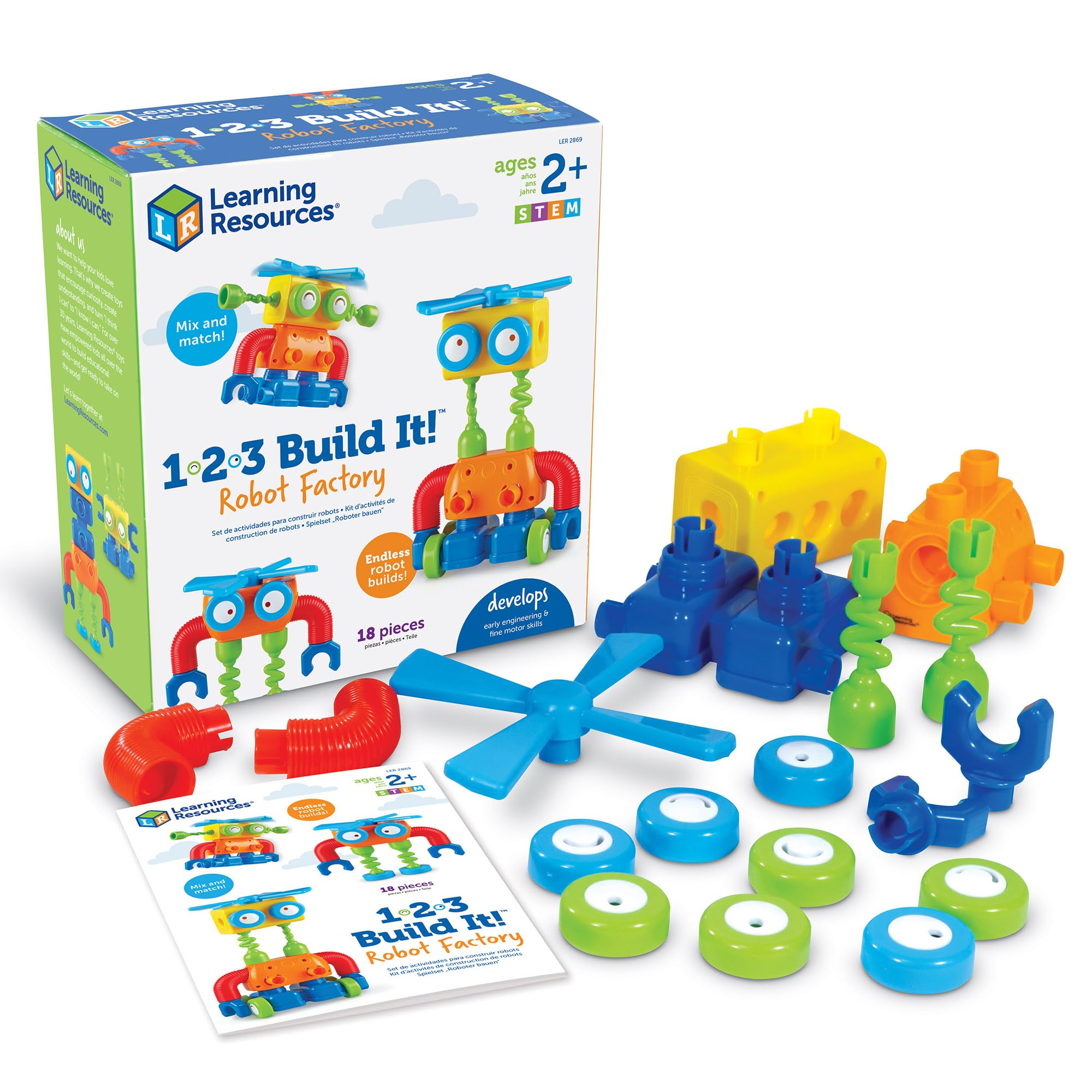
- Children can assemble their own imaginative robot creations.
- The easy-to-handle parts help develop fine motor skills.
- It works with other sets in the 1-2-3 Build It! range.
Best Gift For: Young children ready to build imaginative robots and practice early engineering skills.
Learning Resources Minute Math Electronic Flash Card
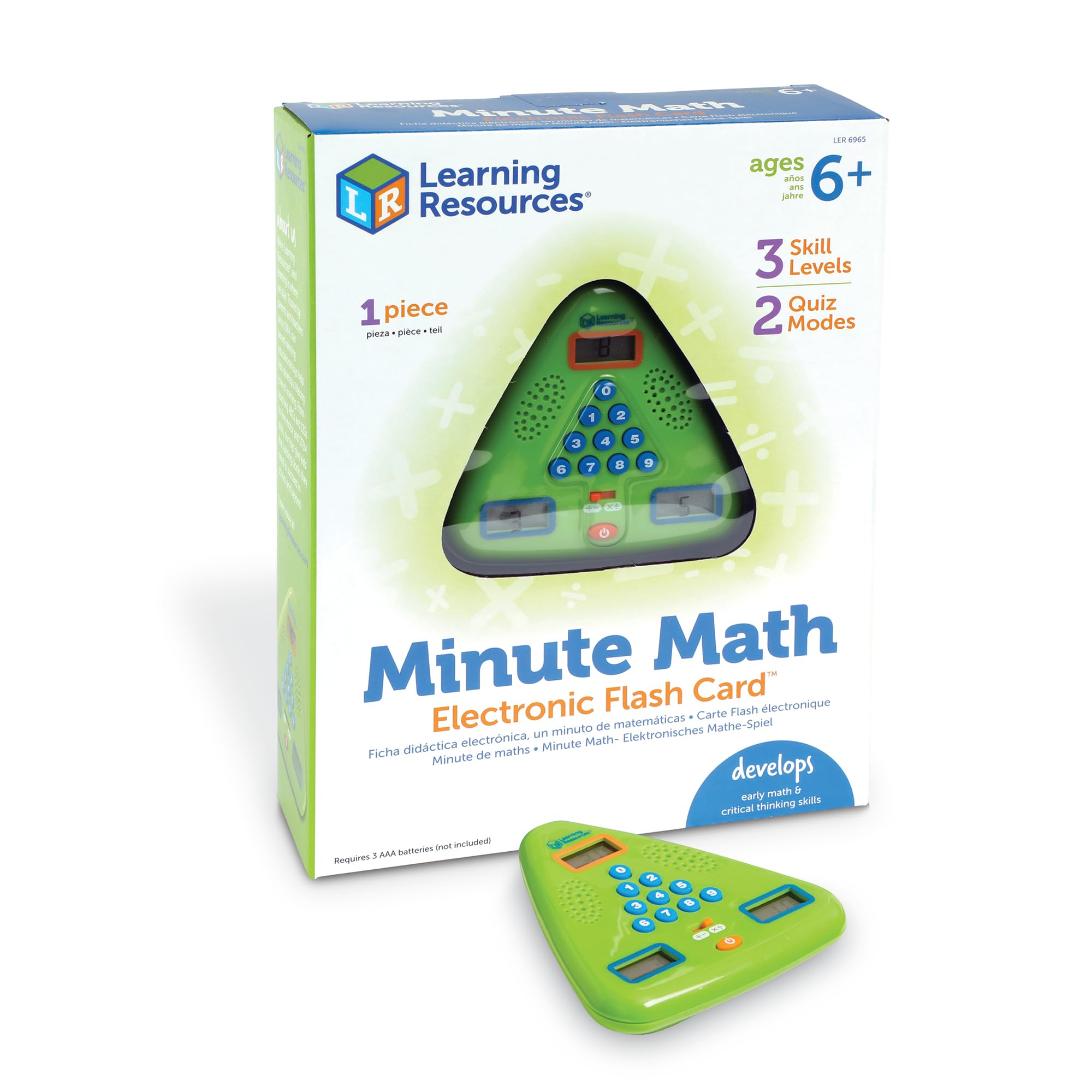
- Practice addition, subtraction, multiplication, and division.
- One-minute challenges turn recall practice into a timed game.
- Three skill levels span learners from first grade through middle school.
Best Gift For: Students who benefit from short math practice sessions at home or while traveling.
Clever Fox Dotted Journal 2.0 A5
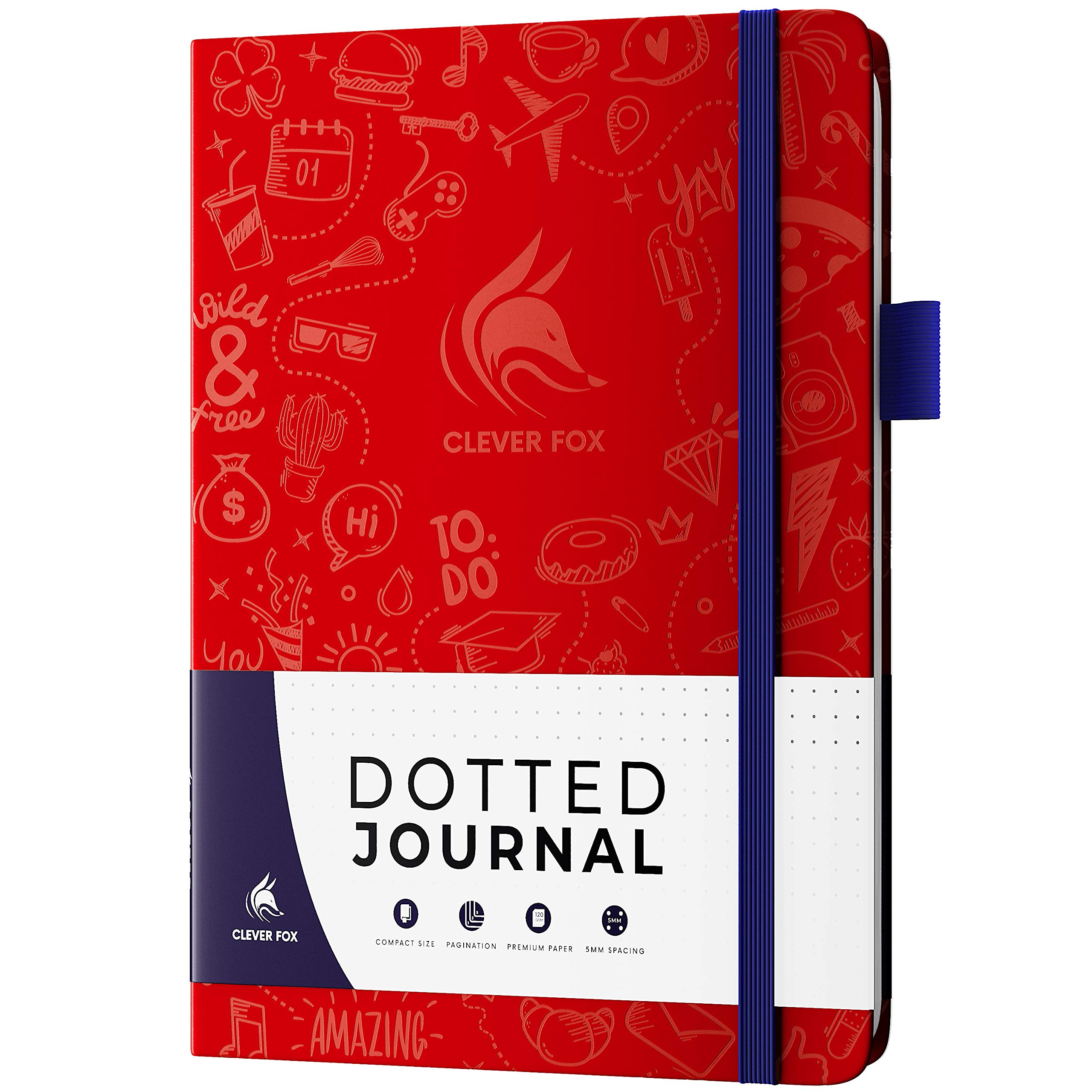
- The lay-flat binding supports comfortable writing.
- It includes a pen loop, ribbon bookmarks, a pocket, and stickers.
- Numbered pages, a key, and an index help organize entries.
Best Gift For: Learners who like to collect notes, sketch ideas, or plan personal projects on paper.
Memoking T02 Sticker Printer, 6-Roll Pack
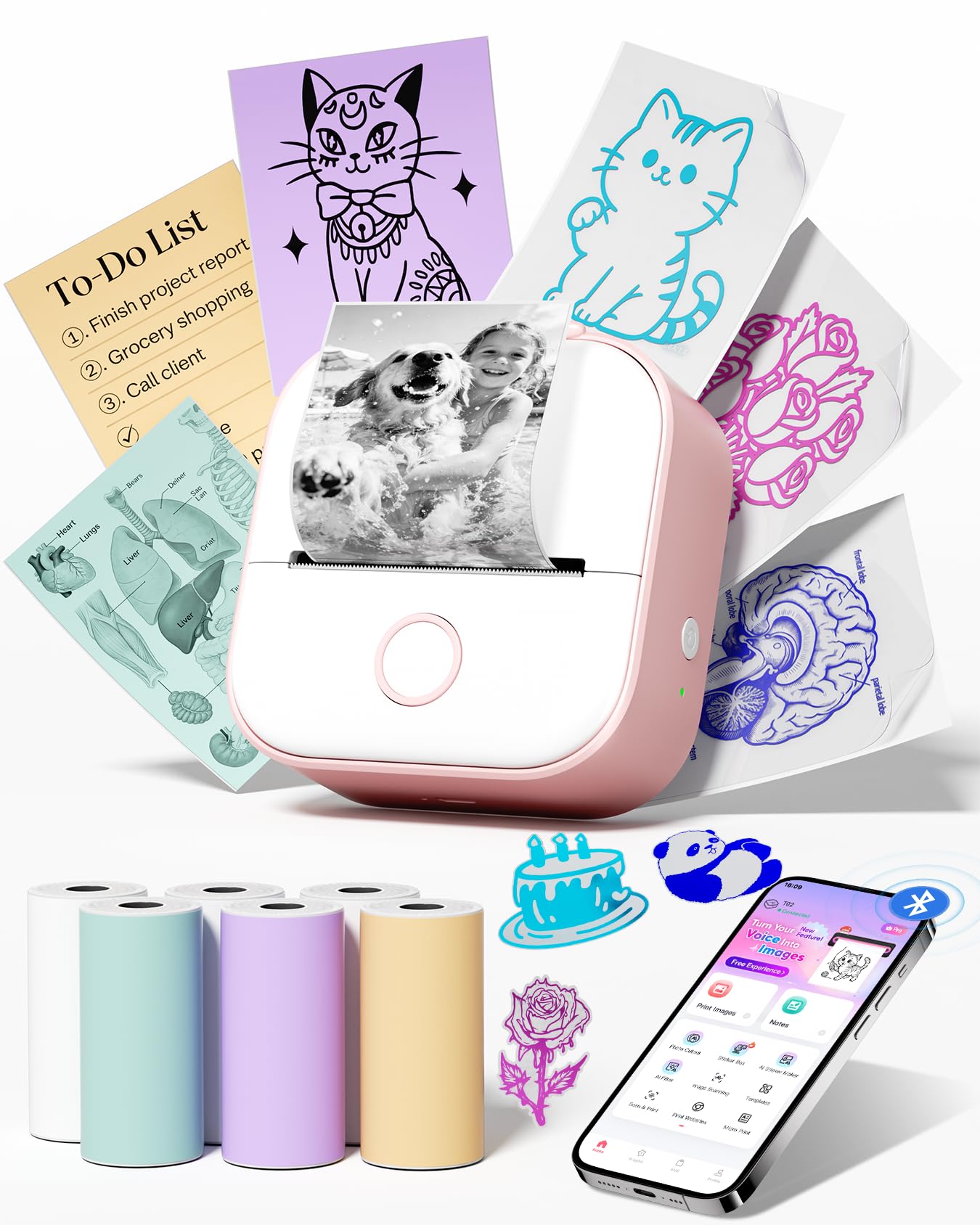
- The T02 supports printing study notes and subject diagrams.
- It connects wirelessly through Bluetooth with the Phomemo app.
- Six rolls of thermal paper come with the printer.
Best Gift For: Students or teachers who enjoy making printed study notes, diagrams, and labels.
SKYDUE 360-Degree Rotating Desk Organizer
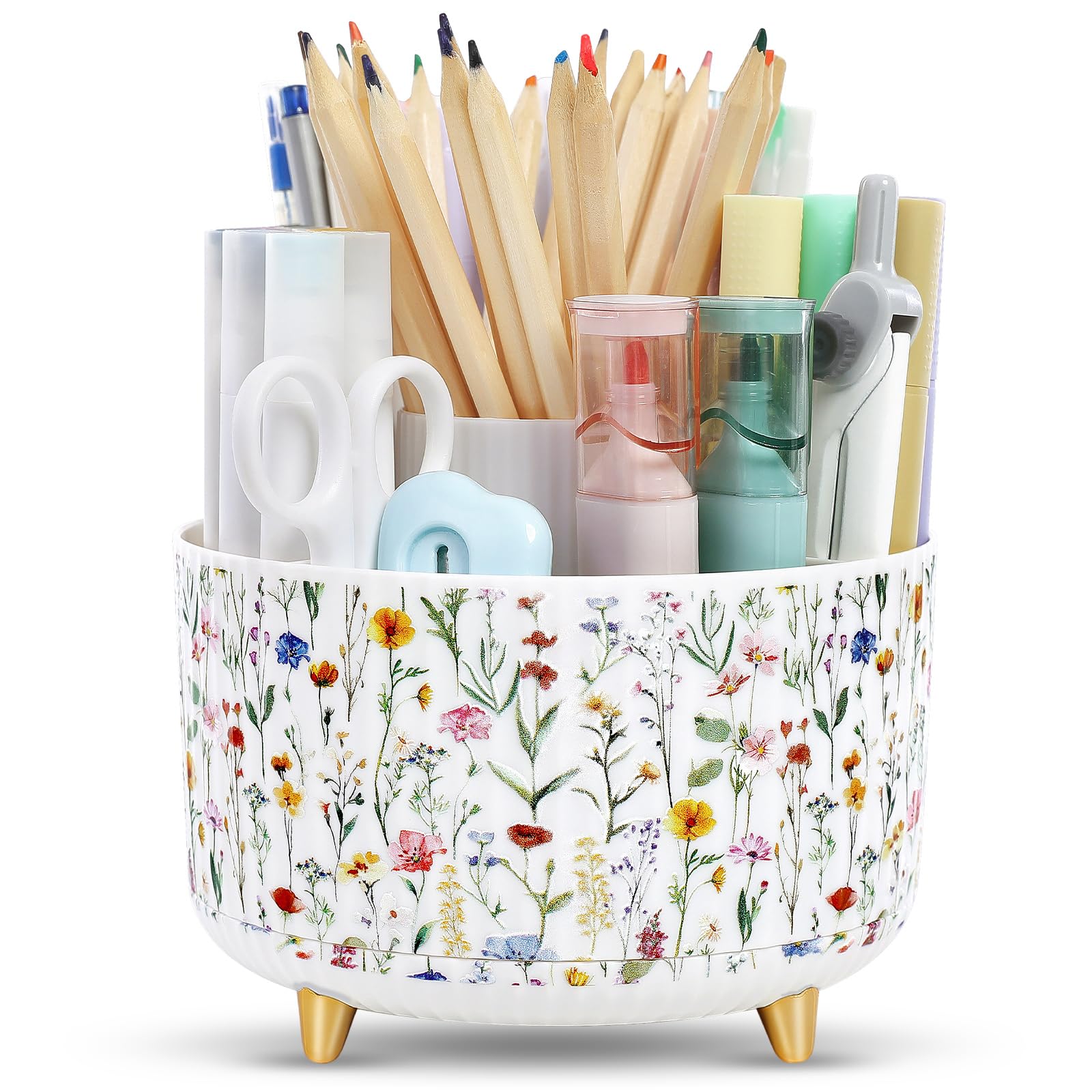
- Five compartments provide storage while using little desktop space.
- The holder rotates for access to writing tools.
- It can also hold art supplies or markers.
Best Gift For: Learners who want pens and small supplies within reach at a desk.
VASAGLE CUSTOS 5-Tier Bookcase
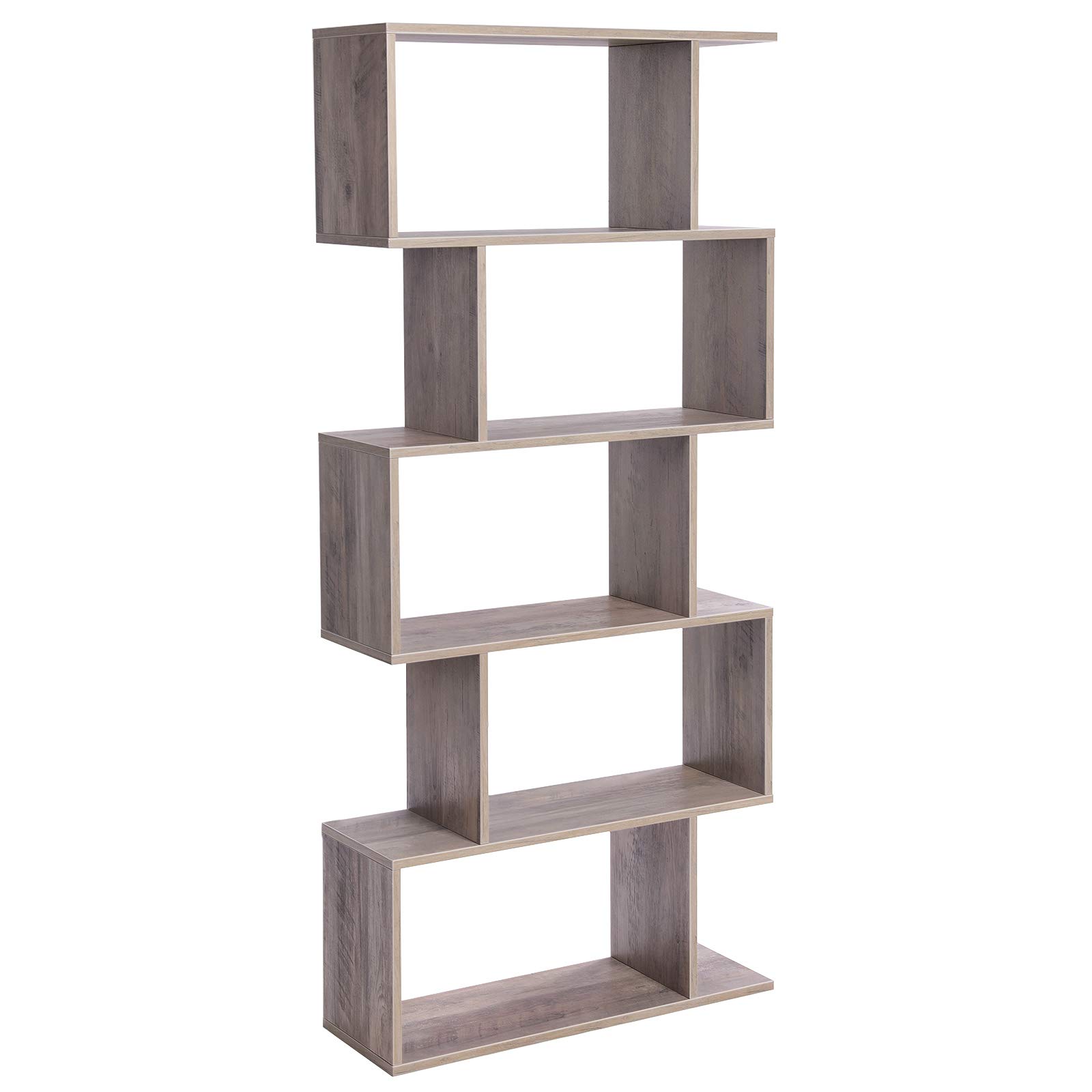
- Open storage gives books and display items a place to stay visible.
- Two anchoring devices help keep the shelf in place.
- Each shelf supports up to 22 lb.
Best Gift For: Readers or students setting up a home study or space for books and other belongings.
1. Match gifts for people who love learning to how they explore
When choosing gifts for people who love learning, start with the recipient’s favorite way to discover something. A child who likes making things may prefer a guided project, while a curious adult might enjoy examining objects closely or talking through a new topic with family.
Think about the setting, too. A quiet reader may appreciate a focused reading setup, while someone who studies at a desk may use tools for notes, organization, or displaying books.
The right fit is often the one that naturally joins an existing routine.
Age and independence matter for activities as well. Consider whether the recipient can use the gift on their own, would enjoy doing it alongside a parent or friend, or needs a simple way to keep practicing a skill between classes.
2. Balance budget with how the gift will be used
A useful learning gift can be a small everyday tool or a larger activity with several components. Set a comfortable budget first, then consider how often the recipient is likely to use it and whether it supports an interest they already have.
For a child who enjoys a topic, a project kit can make a memorable shared activity. For regular study, practical items that support reading, writing, or math practice may see more frequent use.
Compare current prices and check what is included before deciding.
Some gifts work best as part of a larger setup. A printer may need compatible paper, and a shelf needs an appropriate spot.
Check actual prices, dimensions, compatibility, and any additional supplies so the total cost and effort fit your plans.
3. Personalize gifts for people who love learning
For gifts for people who love learning, a personal touch can connect the present to a specific curiosity. Add a note naming a question you hope they will explore, or pair a notebook with a prompt for recording ideas from a favorite subject.
For a shared activity, make the invitation part of the gift: plan a time to build, experiment, read, or play together. If the recipient prefers independent projects, write a short encouragement that leaves the choice of topic and pace in their hands.
Presentation can support the gift’s purpose. Wrap a learning activity with a small card about what sparked your choice, or place desk and reading items in a reusable box that can later hold notes and supplies.
Keep packaging easy to open and practical to reuse.
4. Make the learning space inviting
A good setup can help a learner return to an interest without making study feel like a chore. Think about where the gift will live: a reading corner, shared table, bedroom desk, or family room may each call for different ways to store and use it.
If the recipient already has a busy workspace, choose something that fits its available room and complements the supplies they use. For books or larger organizers, measure the intended area first.
For portable tools, consider where they might be used and stored between sessions.
You can also make the space feel welcoming with a simple routine: leave a notebook open for questions, keep a current book nearby, or set aside a regular family time for a project. Small cues can make curiosity easier to follow through on.
5. Last-minute buying advice
For a last-minute choice, narrow the options by age, learning interest, and where the gift will be used. Then check current product details, compatibility, dimensions, included components, and delivery estimates before placing an order.
When time is short, a versatile item connected to an existing habit can be easier to choose than a highly specific project. A reading or note-taking gift may suit someone with established routines; a hands-on activity works well when you know the recipient is interested in its subject.
If the delivery estimate does not fit your schedule, a printed card describing the planned gift can make a thoughtful placeholder. Include a personal message about why you chose it, and share the item once it arrives, without promising a delivery date you have not confirmed.