Teaching assistants bring patience, care, and steady support to busy classrooms. A useful gift can recognize that work, whether it offers a little order at a desk or inspires a shared learning activity.
These 12 gift ideas for teaching assistants include practical tools for planning and organizing, plus learning games and hands-on activities for young students.
12 Gift Ideas for the Teaching Assistant Who Makes Learning Happen
Nelko P21 Bluetooth Label Maker, Pink
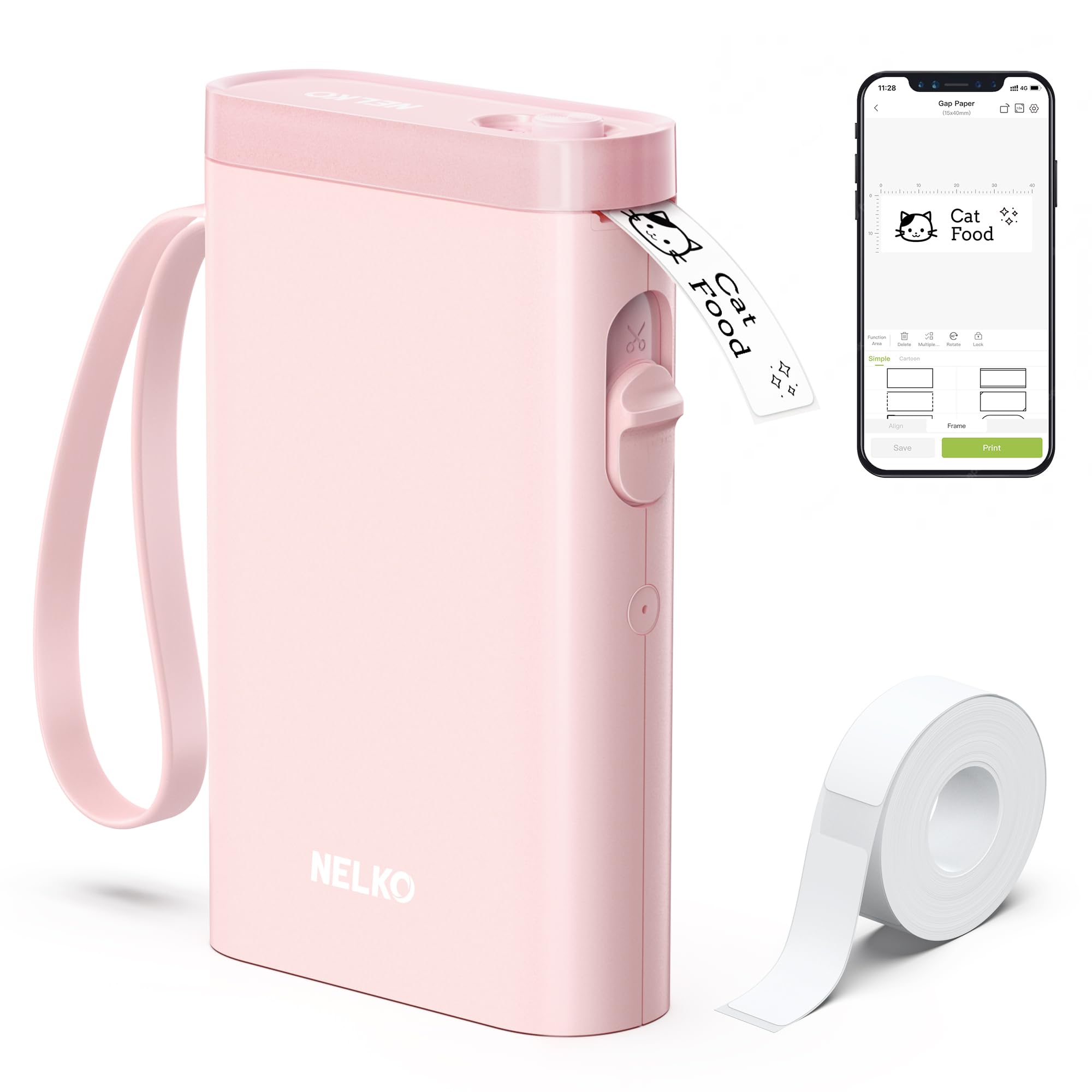
- Connects to iOS and Android phones through Bluetooth for printing from a phone.
- Prints monochrome text without ink or toner using direct thermal technology.
- The app offers templates and tools for creating labels with text, images, and borders.
Best Gift For: A teaching assistant who likes to label classroom supplies and keep shared materials organized.

Glocusent Rechargeable Neck Reading Light
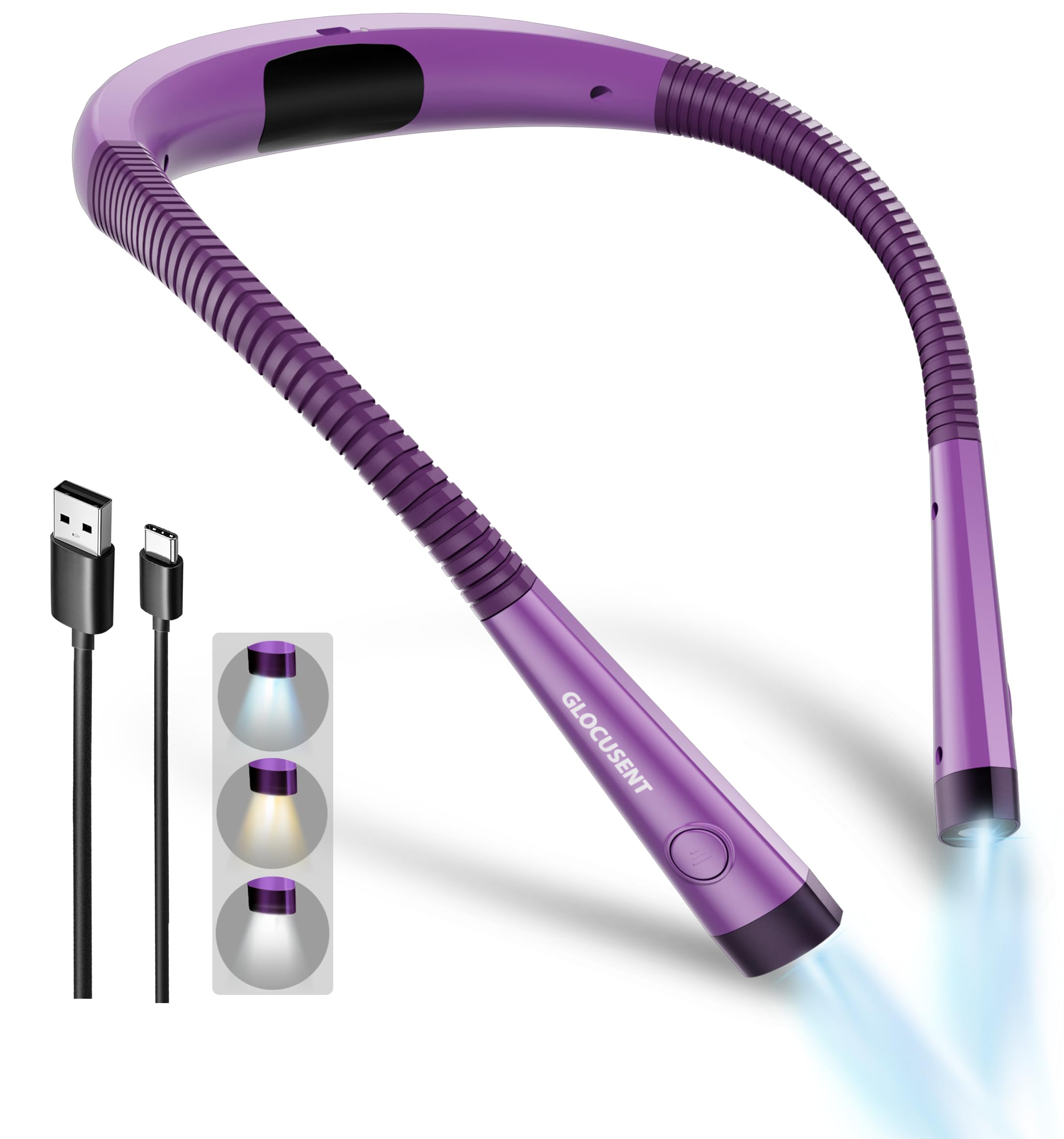
- Choose among three color temperature modes and adjustable brightness.
- Adjustable arms help position the light at a comfortable angle.
- The rechargeable light uses USB Type-C charging.
Best Gift For: A teaching assistant who enjoys reading or wants hands-free light for a quiet break.
Cross Classic Century 23KT Gold-Plated Ballpoint Pen
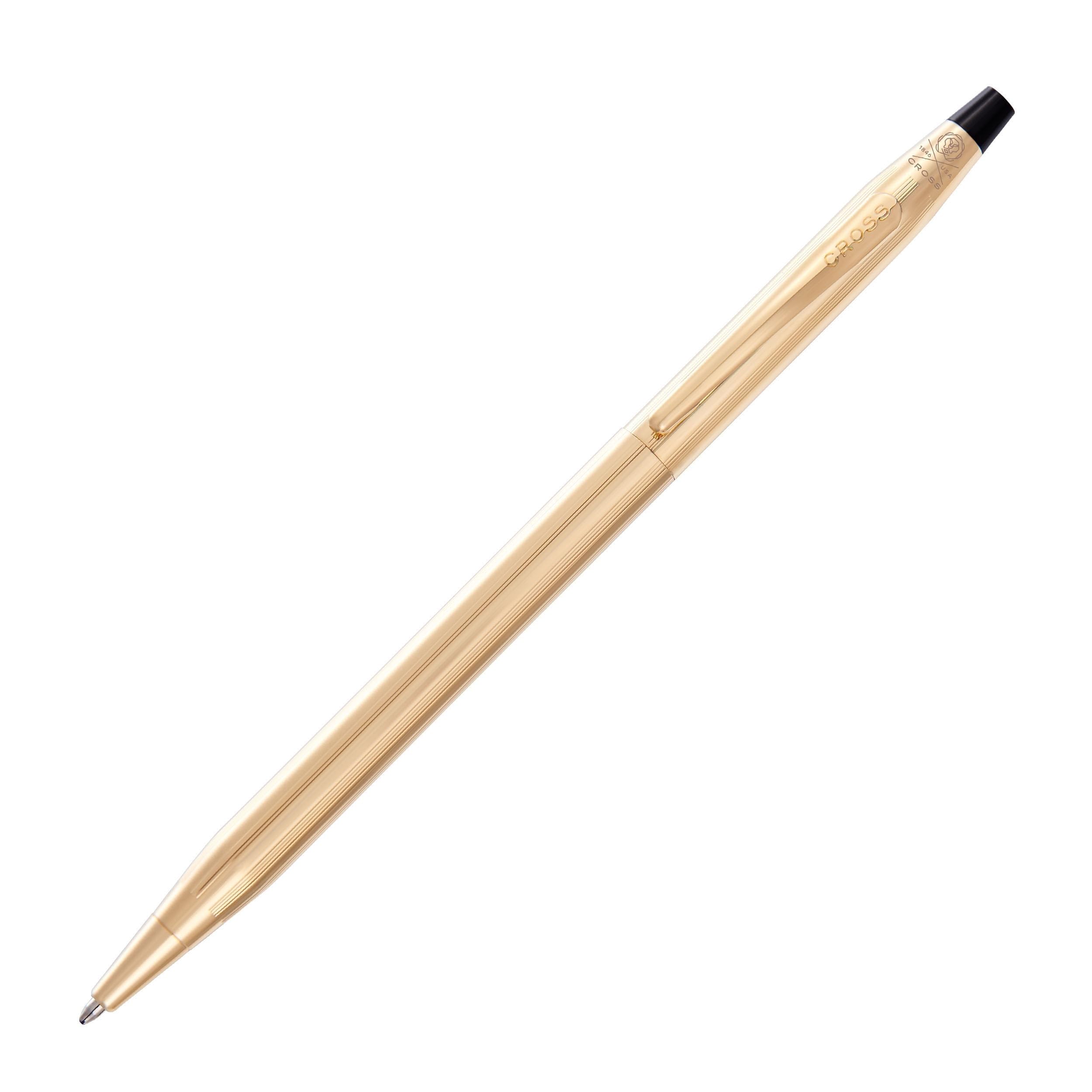
- A slim metal pen with a distinctive look and swivel-action mechanism.
- Designed for smooth writing with a comfortable grip.
- Arrives in a gift box and is easy to carry in a bag or pocket.
Best Gift For: A teaching assistant who appreciates a polished everyday pen for notes or journaling.
SKYDUE Rotating Desk Organizer with 5 Slots
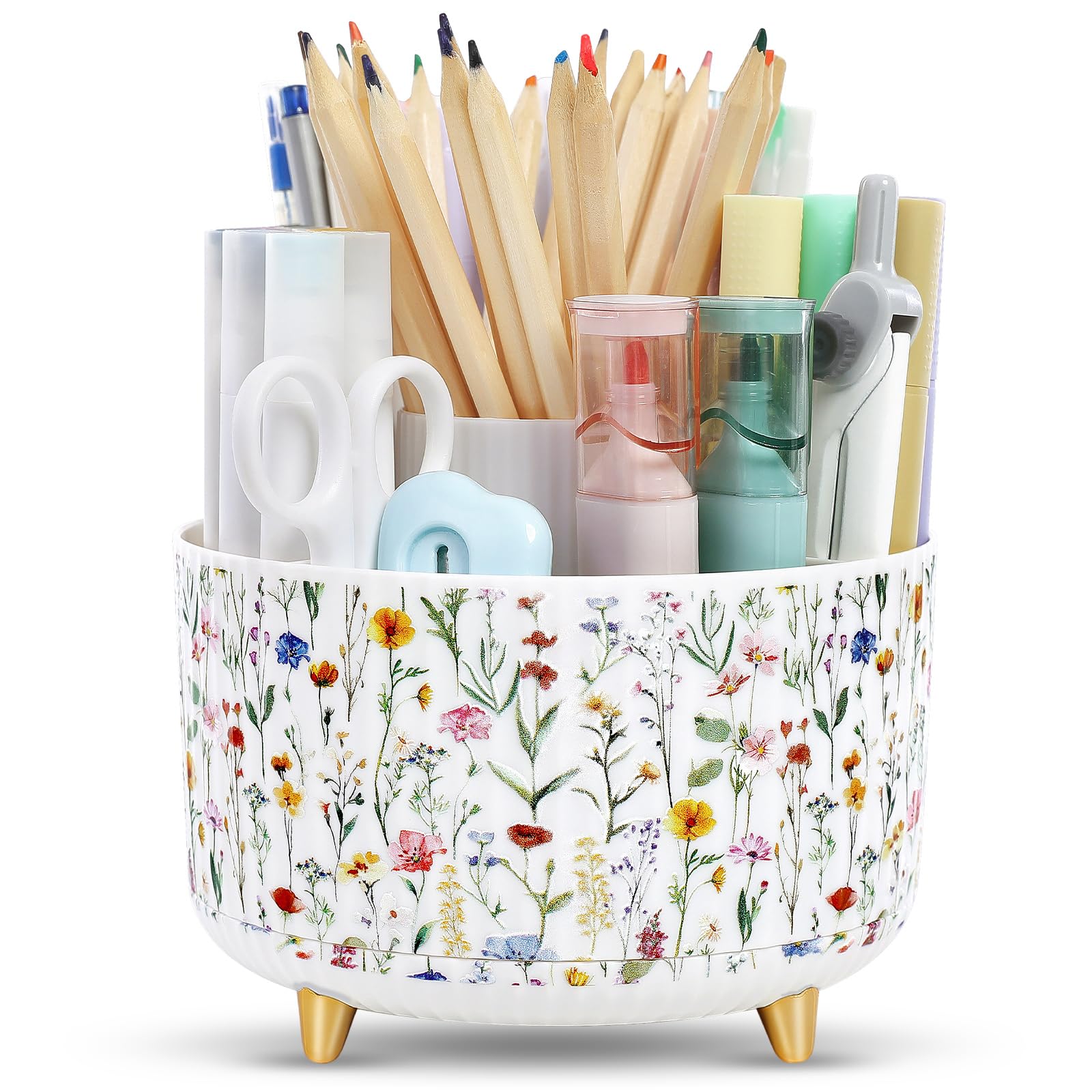
- Five compartments keep supplies arranged while using limited desktop space.
- The holder rotates to make writing tools easier to reach.
- It can also hold art supplies, makeup brushes, or markers.
Best Gift For: A teaching assistant who wants pens and small desk supplies close at hand.
Clever Fox Planner PRO Light, Undated Weekly Planner
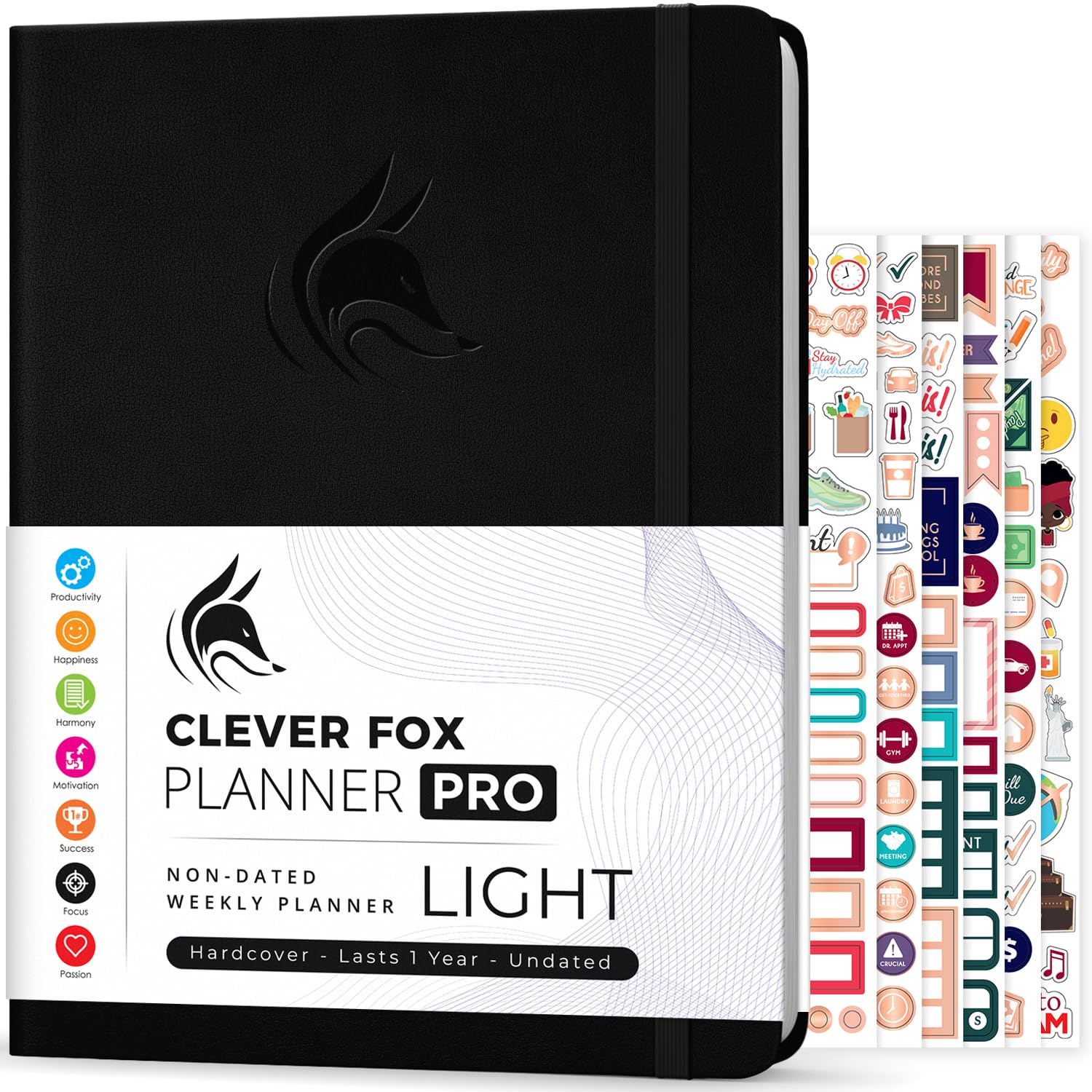
- Use the monthly, weekly, and daily planning layout to organize goals and tasks.
- The undated format lets the owner begin at any time of year.
- Includes a quick start guide and planning stickers.
Best Gift For: A teaching assistant who likes to plan weekly tasks and set personal goals.
Whitelines Graph Notebooks, 3-Pack
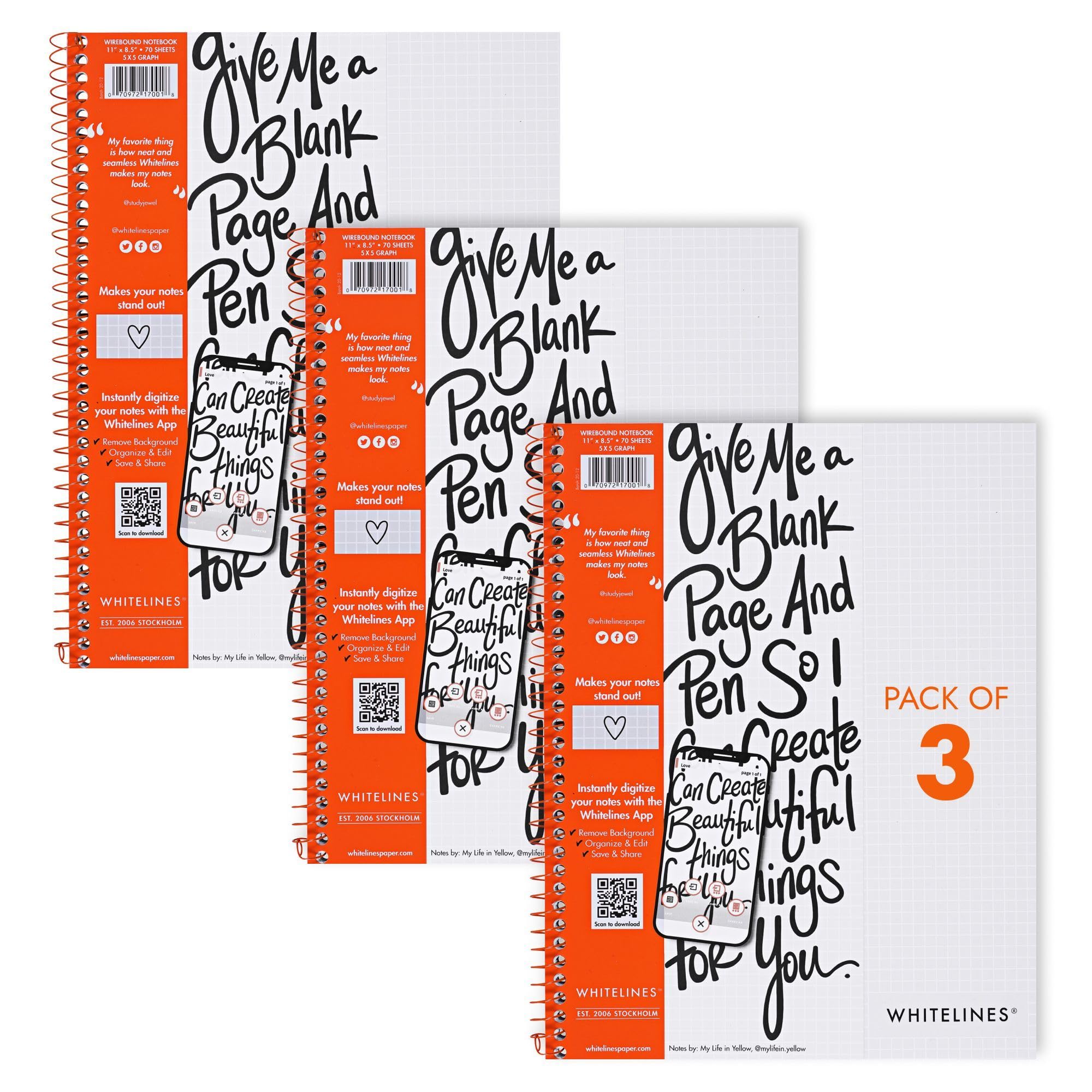
- The pack includes three spiral notebooks with graph paper.
- The app can remove the page background from captured notes or drawings.
- The paper has a light gray tint.
Best Gift For: A teaching assistant who writes notes by hand and likes having several notebooks ready to use.
Hydracy 2L Motivational Water Bottle
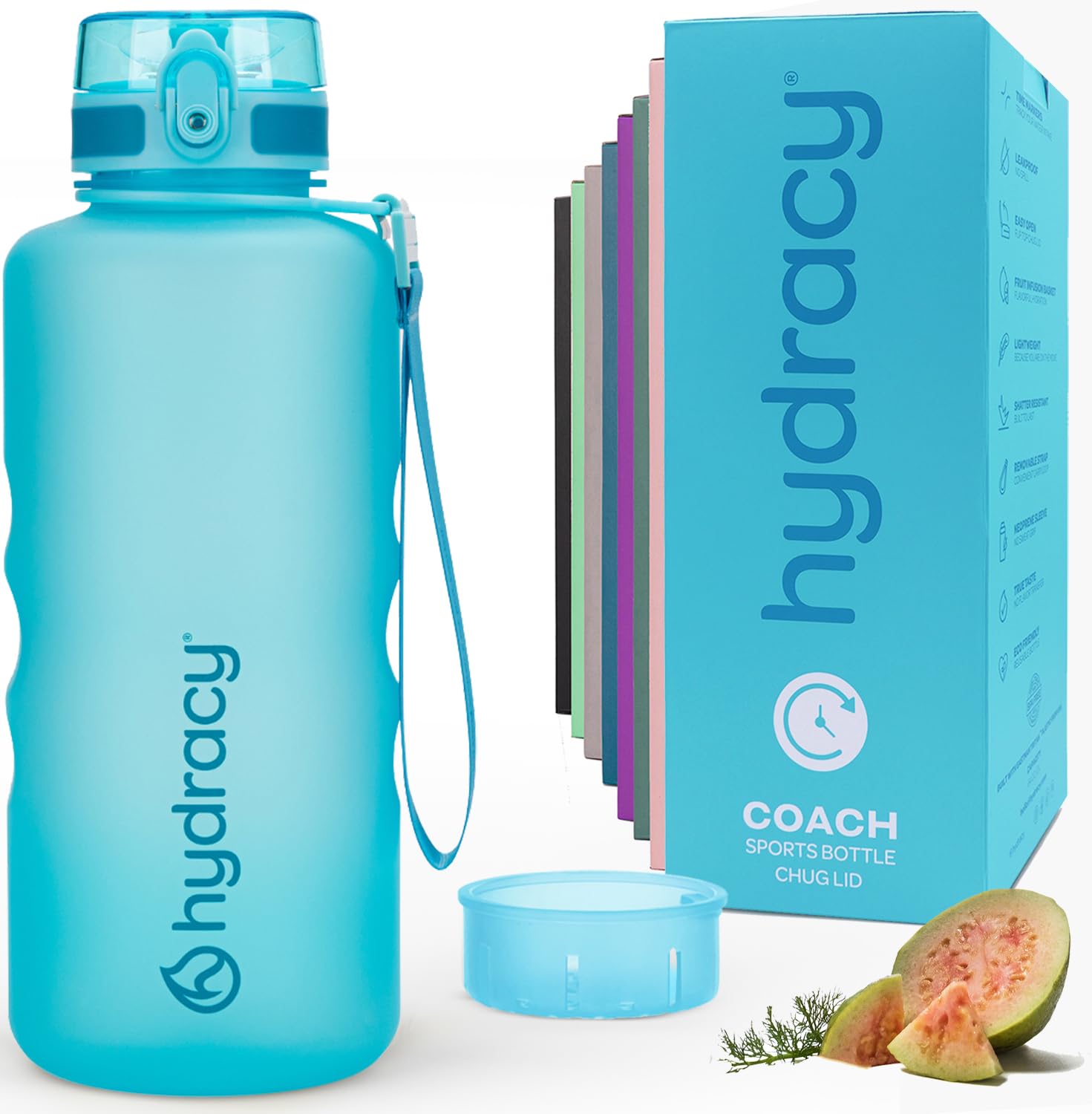
- A timeline on the bottle offers a visual prompt for sipping through the day.
- The bottle has a detachable carry strap and flip-top lid.
- Its wide mouth and fruit infusion strainer support flavored water.
Best Gift For: A teaching assistant who appreciates a visible reminder to drink water during a busy day.
Phomemo D30 Label Maker with 3 Tapes
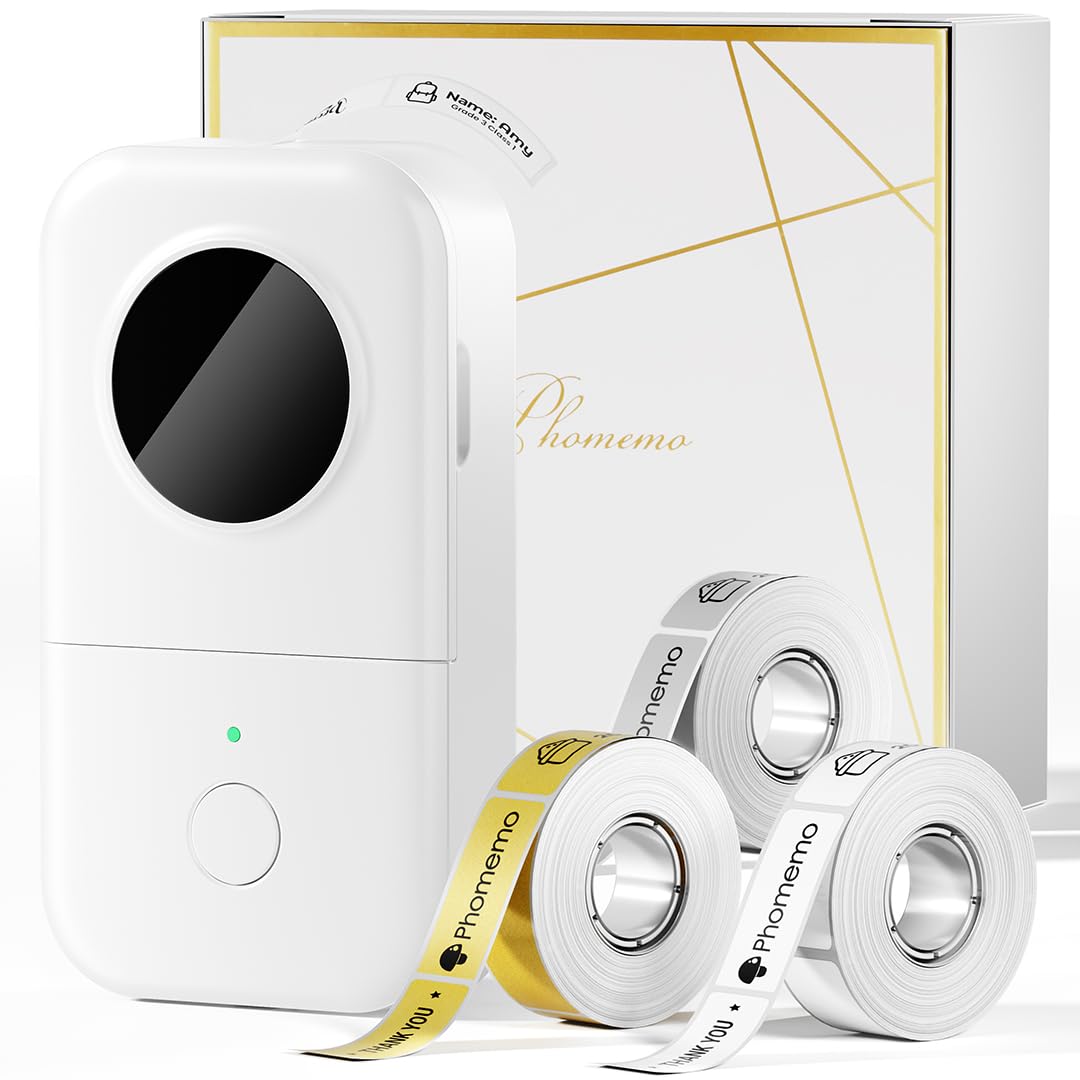
- The package includes one white, one gold, and one clear tape.
- Prints black text without ink, toner, or ribbons.
- The app has templates and tools for making labels with text, images, or QR codes.
Best Gift For: A teaching assistant who labels classroom materials, storage, or personal items.
The Sneaky, Snacky Squirrel Game
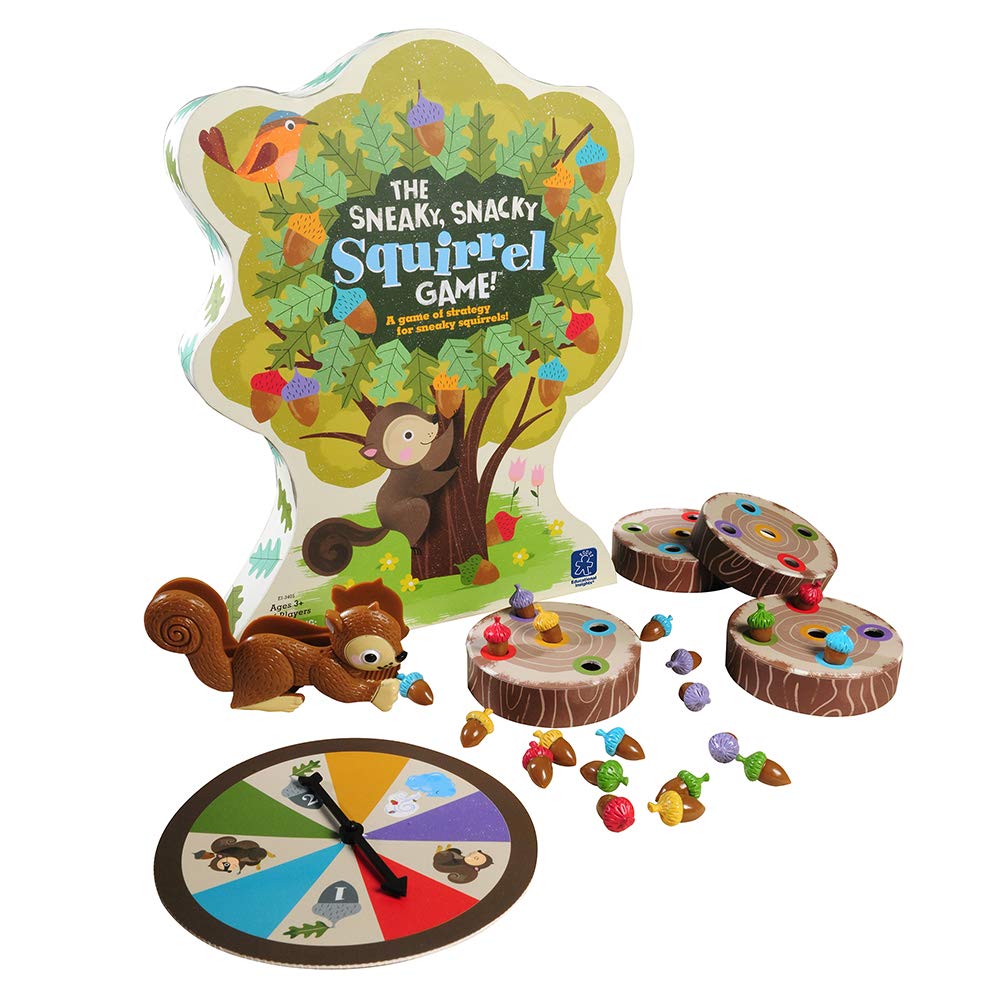
- The game builds color matching and dexterity through play.
- Players use the squirrel tool to pick up matching acorns.
- The box includes acorns, a spinner, logs, and a tree-shaped game board.
Best Gift For: A teaching assistant working with preschoolers who enjoy turn-taking and matching games.
Learning Resources 1-2-3 Build It Robot Factory
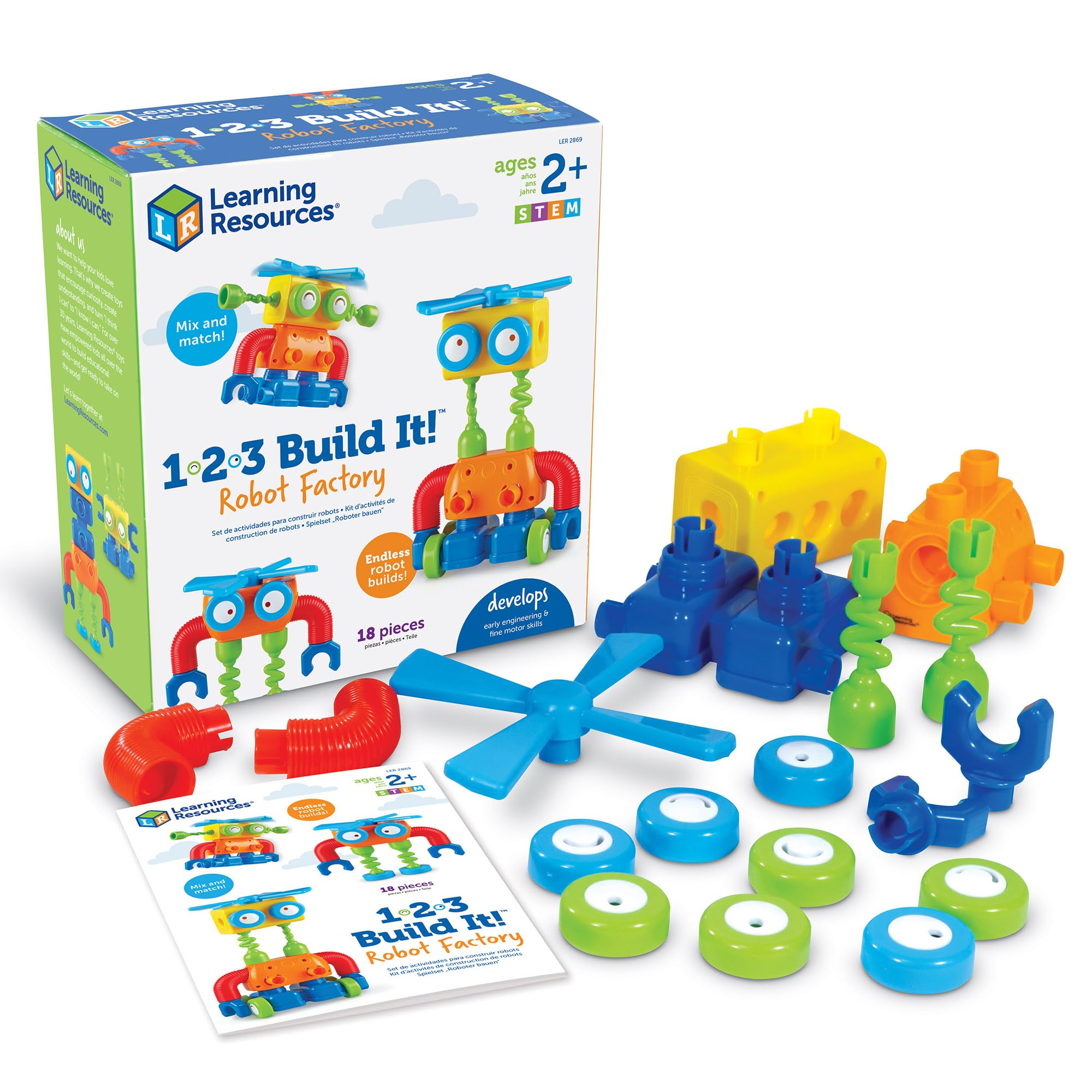
- Children can build their own imaginative robot creations.
- The activity supports early engineering and critical thinking.
- The set works with other 1-2-3 Build It! sets.
Best Gift For: A teaching assistant seeking a hands-on building activity for young children.
Learning Resources Minute Math Electronic Flash Card
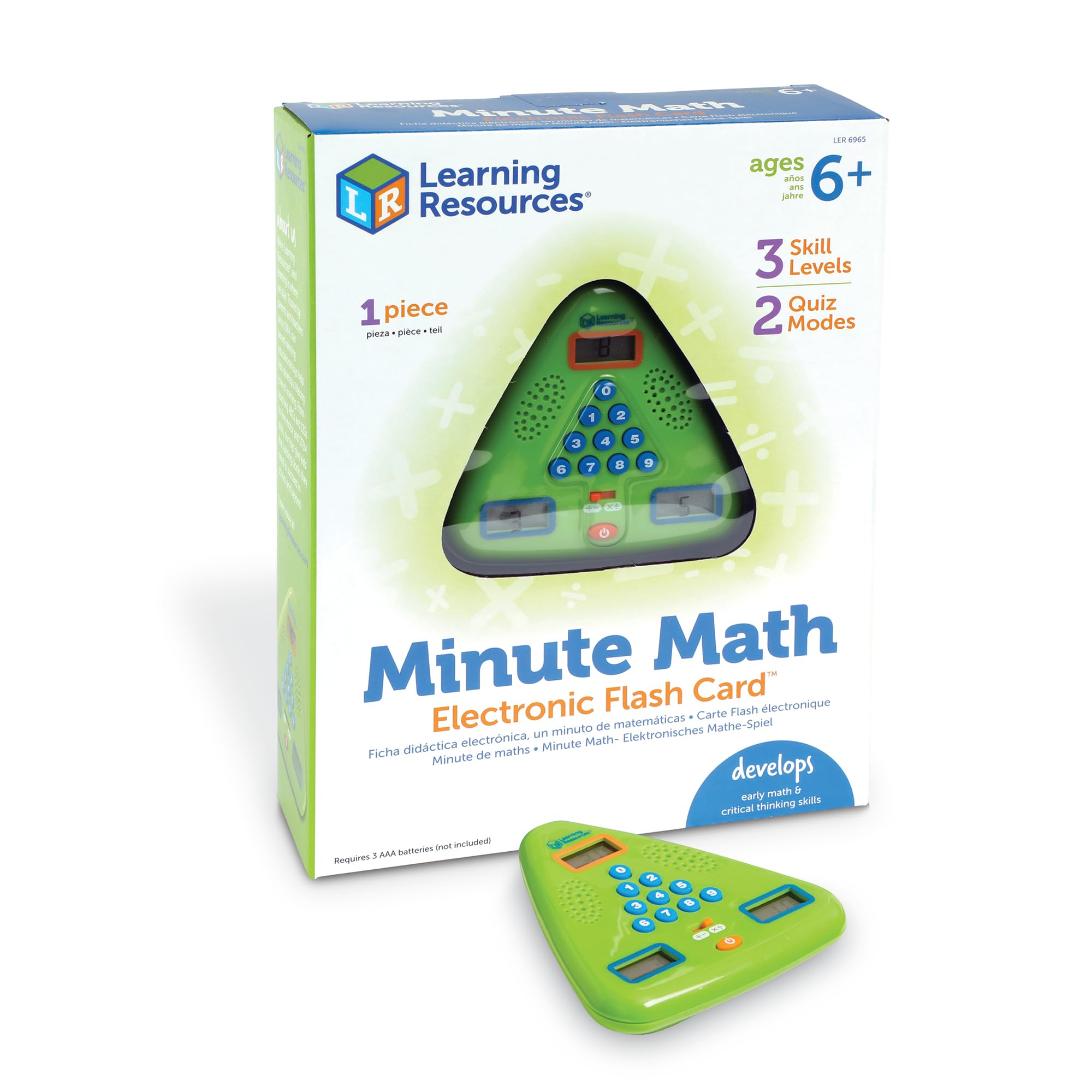
- Provides practice in addition, subtraction, multiplication, and division.
- One-minute challenges make math practice a timed game.
- A silent mode option suits quiet practice in a classroom or waiting room.
Best Gift For: A teaching assistant who supports learners practicing arithmetic at home or in class.
Educational Insights GeoSafari My First Microscope
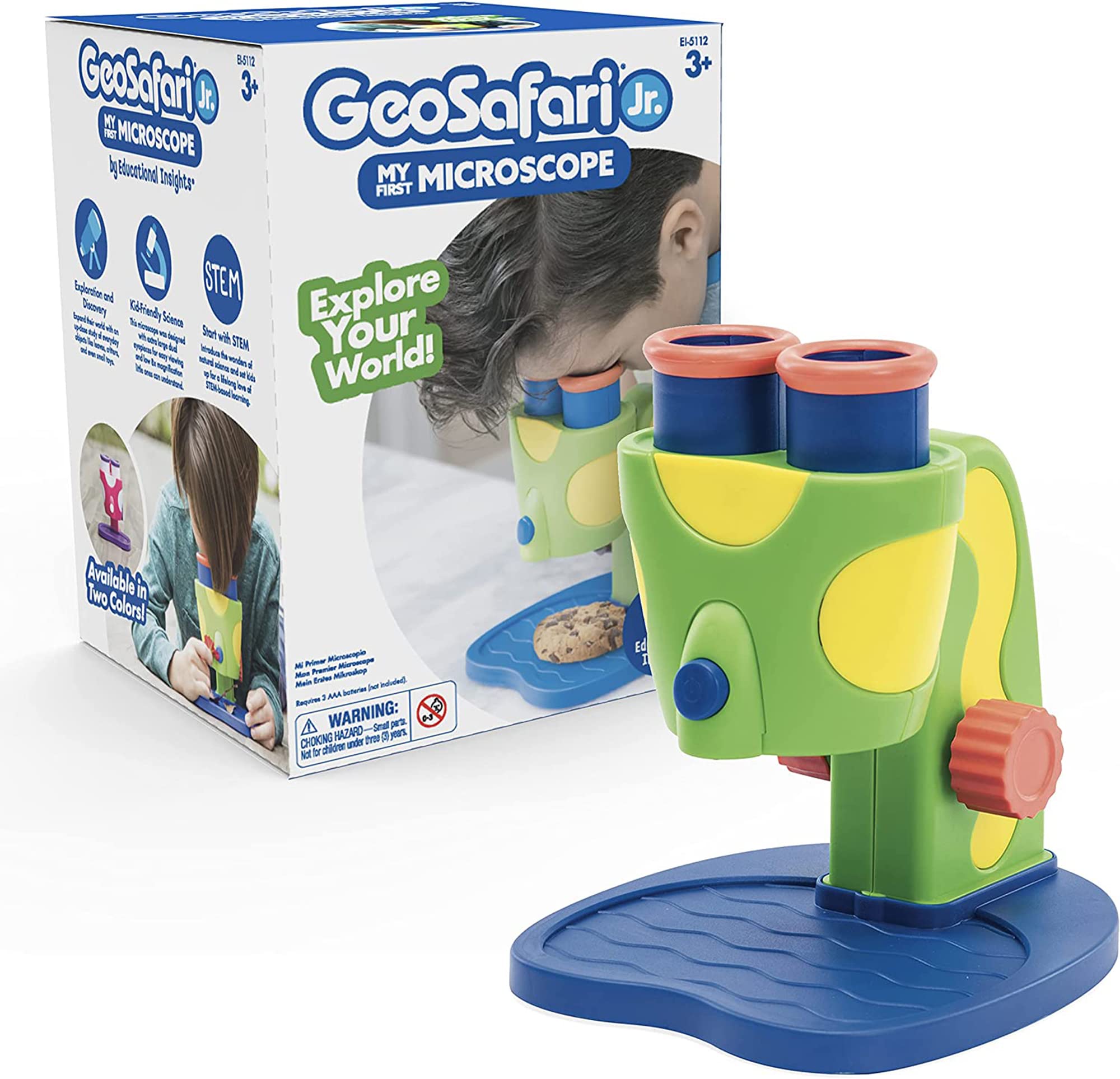
- Large eyepieces and a kid-sized focusing knob are designed for young users.
- An overhead LED light illuminates samples on the tray.
- Includes prepared slides with storage.
Best Gift For: A teaching assistant who wants to encourage a young learner's curiosity about science.
1. Choose gifts for teaching assistants around their day
When choosing gifts for teaching assistants, think about the moments that make up their day: organizing shared materials, helping students practice a skill, or finding a quiet pause after class. A personal thank-you can be practical without feeling like another task on their to-do list.
For someone who spends much of the day helping young learners, a classroom activity can feel especially thoughtful. Consider whether the children they work with are ready for matching games, building, or guided science exploration, and whether the gift is for home or a shared setting.
A desk or planning item may suit someone who enjoys keeping schedules and supplies in order. If you are unsure what they already own, choose a flexible item they can use personally, and add a note that recognizes the time and care they give students.
2. Match the gift to the budget and the occasion
Set a comfortable budget before shopping, then decide whether you want a small token or a more substantial present. A handwritten card paired with a practical desk item can feel complete; a group gift can make a larger planning or activity choice easier to share among colleagues.
Lower-cost gifts can still feel considered when they connect to a real routine, such as keeping notes, organizing materials, or taking a reading break. For higher-priced choices, think about whether the recipient will use the item often enough to make it worthwhile rather than simply choosing the most elaborate option.
If several families or coworkers are contributing, agree on a spending range and one person to coordinate the purchase. Check actual prices before collecting money, since costs can change, and leave room in the plan for a card or simple wrapping.
3. Make gifts for teaching assistants feel personal
Gifts for teaching assistants become more meaningful when the message is specific. Mention a small thing you have noticed, such as how they help a nervous student settle in, keep a busy activity moving, or make a classroom feel welcoming; a sincere detail often matters more than elaborate packaging.
For a classroom-use gift, write a short note explaining why you thought it would suit their work. If children are involved, invite them to add a drawing or a few words of thanks, while keeping the message optional and appropriate to the relationship.
Presentation can stay simple: use a reusable bag, a colorful paper wrap, or a small tag attached to the gift. Avoid making the recipient feel obliged to use a personal gift at school; let them decide whether it belongs at home, at work, or in a shared classroom.
4. Make the choice easy to buy and give
Before ordering, consider what the recipient already has and whether the gift needs a particular device, app, battery, or compatible refill. Check current product details and compatibility for the exact item, especially if the gift depends on a phone or other equipment they may not use.
For supplies intended for a classroom, think about storage, clean-up, and whether the activity fits the children the assistant supports. A compact desk item may be easier to place than a larger project, while a personal notebook or reading accessory can avoid adding shared materials to a crowded room.
If you are buying with a group, settle the choice early and confirm who will handle the card and presentation. A practical gift feels more thoughtful when it arrives with a clear message of thanks and does not leave the recipient to coordinate the rest.
5. Last-minute advice for a thoughtful gift
When time is short, choose something simple to explain and easy to personalize. A useful note can turn an everyday item into a thank-you, and a gift card tucked into it can leave room for the recipient to decide how they will use it.
Check current delivery estimates before placing an order, and allow time for wrapping or pickup if needed. Do not assume an item will arrive by a particular date; choose a locally available alternative or a handwritten card if the estimate does not fit your schedule.
If the occasion is close, a small gesture delivered thoughtfully can still land well. Keep the message warm and direct, thank the teaching assistant for a specific contribution, and let the gift stand on its own without asking for a response or public acknowledgment.